
The Healing Power of Art as an Emotional Outlet

When life feels overwhelming, finding a way to express what’s inside can be a challenge. Words sometimes fall short, and emotions can get tangled. For me, art became a lifeline – a way to release feelings that were hard to name or share. Using colors, shapes, and textures helped me understand myself better and find calm in chaos. In this post, I want to share how art can serve as a powerful emotional outlet, based on my own experience and practical examples you can try.

How Art Opens a Door to Emotions
Art allows us to communicate without words. When I first started painting, I didn’t think about technique or style. Instead, I focused on what I felt inside – anger, sadness, hope – and let those feelings guide my brush. This process helped me:
Identify emotions I wasn’t fully aware of
Release tension by channeling energy into creation
Gain perspective by seeing my feelings outside myself
For example, one day I was feeling frustrated but couldn’t explain why. I grabbed some paint and a canvas and started making bold, sweeping strokes. The act of painting those strokes helped me realise the source of my frustration and eased the pressure I felt.
Art as a Safe Space for Vulnerability
Creating art offers a private, judgment-free zone. You don’t need to worry about saying the right thing or being understood. This safety encourages honesty with yourself. I found that when I painted or sketched without expectations, I could explore difficult emotions like grief or anxiety more openly.
You don’t have to be an artist to benefit. Simple activities like doodling, colouring, or collage can provide the same outlet. The goal is not to produce a masterpiece but to express what’s inside. This freedom can be incredibly healing.
Practical Ways to Use Art for Emotional Release
If you want to try using art as an emotional outlet, here are some ideas that worked for me and others:
Colour your feelings: Choose colours that match your mood and fill a page with them. Don’t think about shapes or rules – just colour.
Create a mood board: Cut out images, words, and textures from magazines that reflect your current emotions. Arrange them on a board or paper.
Write and draw: Combine journaling with sketches. Write a sentence or two about how you feel, then draw a related image or symbol.
Use clay or play-dough: Sculpting can be a tactile way to release tension and shape your feelings physically.
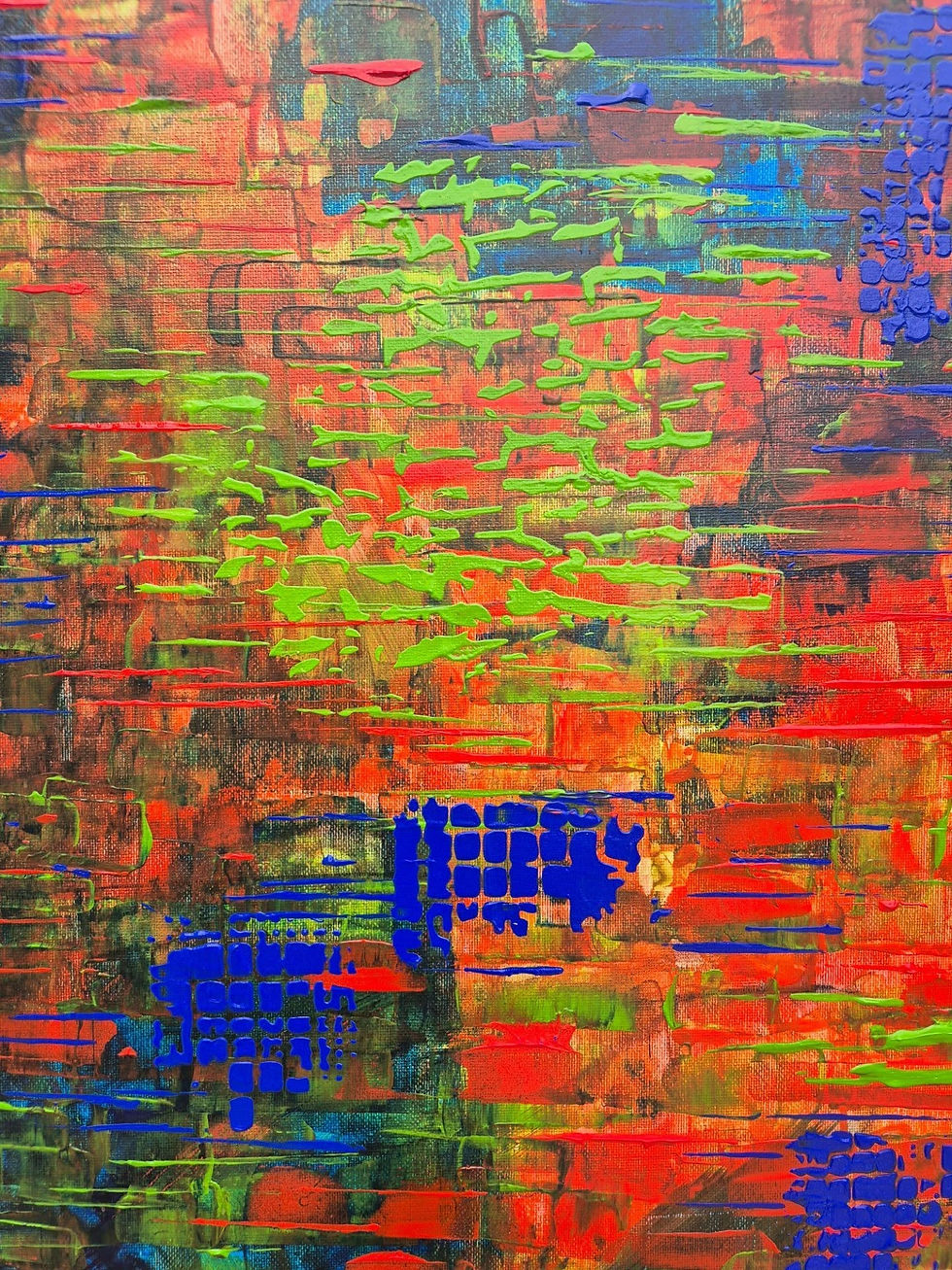
Try abstract art: Use shapes, lines, and colours without aiming for realism. Abstract art can express complex emotions that words can’t capture.
These activities don’t require special skills or materials. You can use whatever you have at home or even digital tools on your phone or computer.
Art created through emotion carries a depth that words often cannot express.
How Art Helped Me Heal Over Time
When I first turned to art, I was dealing with stress and uncertainty. Painting became a daily habit that helped me slow down and check in with myself. Over months, I noticed changes:
I felt less overwhelmed by negative thoughts
I could identify triggers for my emotions more clearly
I developed a sense of control by creating something tangible
I experienced moments of joy and pride in my work
Art didn’t solve all my problems, but it gave me a way to cope and understand myself better. Sharing some of my pieces with close friends also opened conversations about feelings I had kept inside.
Why Art Works for Emotional Health
Research supports what many people experience: art can improve mental well-being. It activates parts of the brain involved in emotion regulation and reduces stress hormones. Creating art encourages mindfulness, helping you stay present and focused on the moment.
Art therapy is a recognised field where trained professionals guide people through creative processes to address emotional challenges. Even without a therapist, using art regularly can build emotional resilience and self-awareness.
And if you want to see more of the work (and the chaos behind it) check out my Instagram account: @art_by_nimakanji

Comments